
Title: « Whale in the Market: A Look into Cryptocurrency and Its Risks »
In the world of cryptocurrency, a whale is someone who holds a large amount of digital currency, often used to influence market prices or manipulate transactions. However, this article will focus on a specific group that has garnered significant attention in recent years: whales with isolated margin accounts.
Isolated Margin Accounts
Margin trading allows investors to borrow money from a brokerage firm to increase their trading leverage, allowing them to purchase more cryptocurrencies than they could otherwise afford. This is done by opening an account with a brokerage firm and setting up a « margin account, » where the investor has a portion of their balance tied up in cash, while the remaining amount is borrowed.
However, this comes with significant risks. When a whale opens an isolated margin account, they are essentially lending money to themselves or someone else without revealing their identity. This can lead to several issues:
- Lack of transparency: Whales have no way to verify if the person they’re lending to has sufficient funds to cover their obligations.
- Increased leverage
: As a result, whales can trade cryptocurrencies at significantly higher prices than normal, increasing their potential losses if the market fluctuates unfavorably.
Polkadot (DOT)
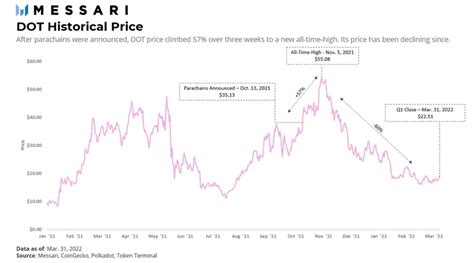
Polkadot is a decentralized platform that enables the creation of interoperable blockchain networks between different networks and platforms. Its unique architecture allows for seamless interactions between different chains, making it an attractive option for various use cases. However, its popularity has also led to concerns about market manipulation and whale activity.
Some whales are using Polkadot as a way to control the market price of their favorite cryptocurrencies. By creating complex smart contracts and leveraging their influence on other networks, they can significantly impact prices without revealing their identities. This has led to accusations that some whales are using Polkadot for illicit purposes, such as market manipulation or price fixing.
The Whale in the Market
One notable example of a whale using Polkadot is Vitalik Buterin, the creator of Ethereum. In 2021, it was reported that Buterin had used his influence on Polkadot to control the price of its native token, DOT. While some saw this as a positive move by Buterin, others questioned whether it constituted market manipulation.
Other whales have also been accused of using Polkadot for similar purposes. In 2022, it was reported that several prominent investors and traders had used Polkadot to create complex trading strategies, with some even being revealed to be whales or influential individuals.
Conclusion
Whales in the cryptocurrency market are a force to be reckoned with, and their activities can have significant impacts on prices. While Polkadot provides an attractive solution for decentralized networks, its popularity has also led to concerns about market manipulation and whale activity.
To mitigate these risks, regulators and investors must be vigilant and take steps to prevent whales from abusing their influence. This includes implementing robust anti-money laundering (AML) and know-your-customer (KYC) regulations, as well as increasing transparency in the trading activities of influential individuals.
As the cryptocurrency market continues to evolve, it’s essential for those who hold or trade digital assets to remain cautious and aware of the potential risks associated with whales. By understanding their power and taking steps to prevent manipulation, we can work towards a more transparent and stable market.